Before diving deeper, note that dental implant trials emphasize participant safety, ethical standards, and scientific rigor, often adhering to FDA guidelines with multidisciplinary teams testing hypotheses in controlled settings. 🏥 Protocols include screenings, informed consent, and monitoring to minimize risks and maximize benefits, progressing through phases from preclinical material testing to long-term human follow-ups.
Detailed Breakdown of Key Advancements
Here’s an expanded examination of major focus areas in dental implant research, including methodologies, outcomes, and implications, based on established studies and institutional efforts.
1. Fundamentals of Dental Implant Trials
These trials systematically evaluate new tooth replacement methods, emphasizing biocompatibility and longevity. Common materials like titanium are enhanced for better osseointegration, with steps covering preclinical tests, human trials, and extended follow-ups. Variations consider patient age, health, and lifestyle, ensuring implants endure daily use while aiding natural healing. Success rates often exceed 95% in controlled environments, though real-world factors influence results.

456+ Thousand Teeth Model Royalty-Free Images, Stock Photos …
2. NYU’s Translational Research Initiatives
NYU College of Dentistry conducts trials assessing tissue responses to implant surfaces over 12 months at their Translational Research Center. Participants receive complimentary implants and crowns, providing data on bone density and gum health to refine techniques and reduce inflammation. Valuable for diverse urban populations, the 8,500 square-foot facility supports phases I-IV, making it a key hub for evidence-based progress. 🔍

NYU Dental School Takes Space at City Point in Brooklyn …
3. Shatkin F.I.R.S.T. Techniques with Mini Implants
Specializing in small-diameter implants for overdentures and partials, Shatkin F.I.R.S.T. addresses bone loss with minimally invasive options. Peer-reviewed analyses show over 90% success in thousands of cases, suitable for anterior and posterior placements, offering quicker recovery and cost savings versus traditional methods. 🎯 These adapt well in constrained scenarios, enhancing retention and patient satisfaction.

3d Render Jaw Implant Screw Healing Stock Illustration 1924221683 …
4. Exploring Bone Adhesives like Tetranite
Tetranite, from RevBio, facilitates immediate loading by stabilizing grafts swiftly. Trials compare it to delayed procedures, gathering data on healing and strength to transform edentulous treatments and reduce surgeries. Biocompatibility is key to prevent reactions, with pilot studies showing promise for rapid bonding in wet environments. 💉
Attracting stem cells and facilitating bone regeneration by …
5. Emphasizing Diversity in Clinical Studies
Trials increasingly incorporate underrepresented groups to address healing variations across demographics. Platforms like Power match patients to FDA-reviewed studies on antiseptics, ceramics, and radiography, promoting equitable innovations. This ensures universally effective implants. 🌍 Power connects thousands daily, boosting recruitment and representation.

Accelerating diversity in clinical trials | McKinsey
6. UIC Dentistry’s Multifaceted Research
UIC College of Dentistry runs studies on peri-implantitis management, lasers, and healing, including Laser-Lok for bacterial prevention and CATER for regeneration. Prioritizing comfort via ethical protocols, their Clinical Research Center translates findings to community benefits, especially for underserved groups. 🔬
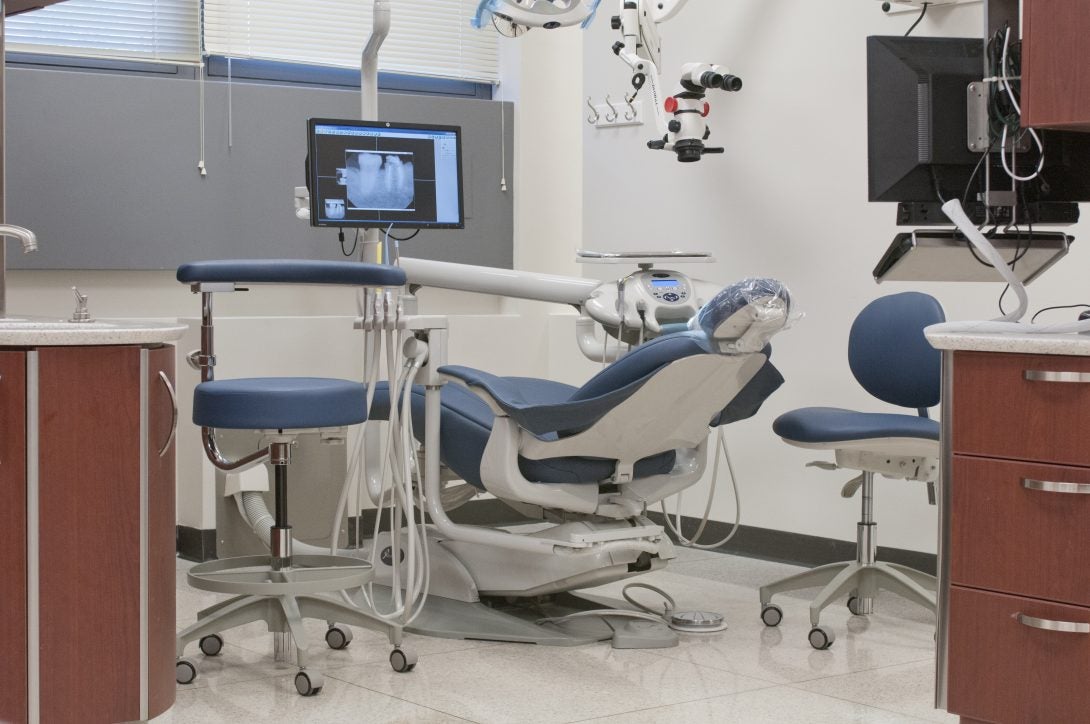
Faculty Dental Practice | College of Dentistry | University of …
7. Broader Impacts on Oral Health
Trials advance technology, policy, and practice, with findings on antiseptics and ceramics improving infection control and durability. Participation provides reduced-cost care and collective knowledge, addressing challenges like diversity and long-term data for enhanced success rates.
8. How to Get Involved
Search via ClinicalTrials.gov or Power; consult dentists for eligibility. Trials span phases, always with consent.
Overview of Leading Institutions
| Institution | Focus Areas | Key Innovations |
|---|---|---|
| NYU Dentistry | Tissue monitoring, implant types | 12-month bone/gum tracking |
| Shatkin F.I.R.S.T. | Mini implants, denture support | Small-diameter for bone limits |
| RevBio (Tetranite) | Bone adhesives, immediate loading | Rapid regenerative bonding |
| UIC Dentistry | Peri-implantitis, healing | Laser-Lok, CATER techniques |
| Power Platform | Trial matching, diversity | FDA-reviewed inclusive studies |
Additional Considerations and Tips
Professionals should follow journals; patients weigh benefits vs. risks like discomfort. Sustainability uses recyclable materials. Engage communities via forums. These drive accessible oral health, tackling gaps in applications and stability.
External Links for Further Resources
- NYU College of Dentistry – Research and trial details.
- Shatkin F.I.R.S.T. – Mini implant studies.
- RevBio – Bone adhesive innovations.
- UIC College of Dentistry – Participation opportunities.
- WithPower – Trial matching tool.
- ClinicalTrials.gov – Dental implant study database.